People Give to People: Growing Fundraising Through Community
Community-centered fundraising that turns everyday supporters into powerful ambassadors for the causes they care about.
I've helped hundreds of nonprofits across the country build their fundraising capacity by tapping into something they already have: people who care about their work and want to help.
My specialty is peer-to-peer (P2P) fundraising: giving people the tools, inspiration, and support to raise money from their own networks. From birthday fundraisers and neighborhood walks to national giving days, I've helped organizations raise more money, reach new donors, and build fundraising programs that grow through community.
The idea is simple: People give to people, not to organizations.
When someone gives to a friend's fundraising page, they're responding to a relationship. They may remember the friend who asked them to donate long after they've forgotten the name of the nonprofit behind the campaign. That personal connection is an opportunity for organizations to reach beyond their own databases and bring new people into their communities.
The best way to grow your donor base is to have your donors do it for you.
“
The idea is simple: People give to people, not to organizations.
― Kat Murphy Toms, Growing Good Strategies
The Challenge
Your database has limits. Your community doesn't.
Most nonprofits spend a lot of time asking the same people to give. Their email lists, social media followers, and existing donors are valuable, but those audiences only go so far.
Meanwhile, their most passionate supporters have networks of their own: friends, family, neighbors, coworkers, and communities who may never have heard of the organization.
The opportunity is to turn those supporters into fundraisers.
But most people aren't professional fundraisers. They may love an organization and want to help, but that doesn't mean they know how to ask for money, set a goal, or get their friends involved. If the process feels complicated or intimidating, even the most enthusiastic supporters may never get started.
The solution isn't simply to give people a fundraising page. It's to make fundraising accessible, offer practical guidance, celebrate creativity, and build technology that helps people succeed.
The Approach
Make it easy to participate. Give people room to get creative.
Across hundreds of organizations, my approach to community-centered fundraising comes back to a few core principles.
1. Turn supporters into fundraisers.
Instead of asking your biggest ambassadors to give again, ask them to invite their networks to give. A birthday, a local 5K, a personal challenge, or a spontaneous community gathering can become a fundraising opportunity.
2. Coach people through the process.
Don't assume people know how to fundraise. Give them concrete ideas, examples, scripts, and gentle reminders that help them get from signing up to actually asking for donations.
3. Make creativity part of the strategy.
People will come up with ideas you could never have planned for them. Show them what's possible, provide the tools to get started, and let them make the campaign their own.
4. Build the infrastructure to support them.
Fundraising platforms should make it easy to launch a campaign, communicate with supporters, and follow through. When technology gets in the way, I work with vendors to make the tools better.
5. Measure success by the community you grow.
The dollars raised matter. So do the new donors, the relationships formed, and the people who discover an organization through someone they already trust.
Case study: The Michael J. Fox Foundation
Making it easier for a community to turn passion into action
At the Michael J. Fox Foundation for Parkinson's Research, I helped transform the peer-to-peer fundraising program, making it easier for supporters to launch birthday fundraisers, organize local 5K walks, and create their own events across the country.
The goal was to make community fundraising feel less like a complicated undertaking and more like something anyone could do.
Give people the tools, and they'll do it.
We made it easier for supporters to get started and gave them inspiration to build something of their own. The foundation's website featured examples of what other fundraisers had done, along with toolkits and resources that helped people turn an idea into a real campaign.
And people got creative.
One first-time fundraiser organized a three-day event that brought together a drag brunch and an impromptu 5K walk, raising $50,000 for Parkinson's research.
That's the power of peer-to-peer fundraising. You don't have to invent every campaign yourself. You have to create the conditions for people to bring their own ideas to life.
The Results
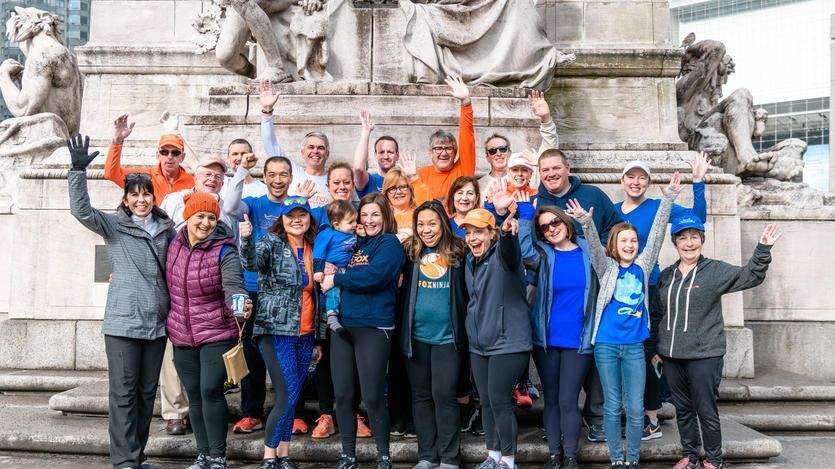
The Michael J. Fox Foundation's community of fundraisers raised more than $16.1 million in 2025, supporting Parkinson's research through inventive, community-led fundraising.
The year included local events, DIY fundraisers, and milestones across the Team Fox network.
Case study: Walk4Friendship
A 30% increase in fundraising through better tools and smarter follow-up
For Walk4Friendship, I focused on a simple but often overlooked challenge: people sign up to fundraise with the best intentions, but many don't know what to do next.
Most people aren't career fundraisers. They need a little coaching, some practical ideas, and a reminder that they committed to doing something meaningful.
Give fundraisers a plan, not just a page.
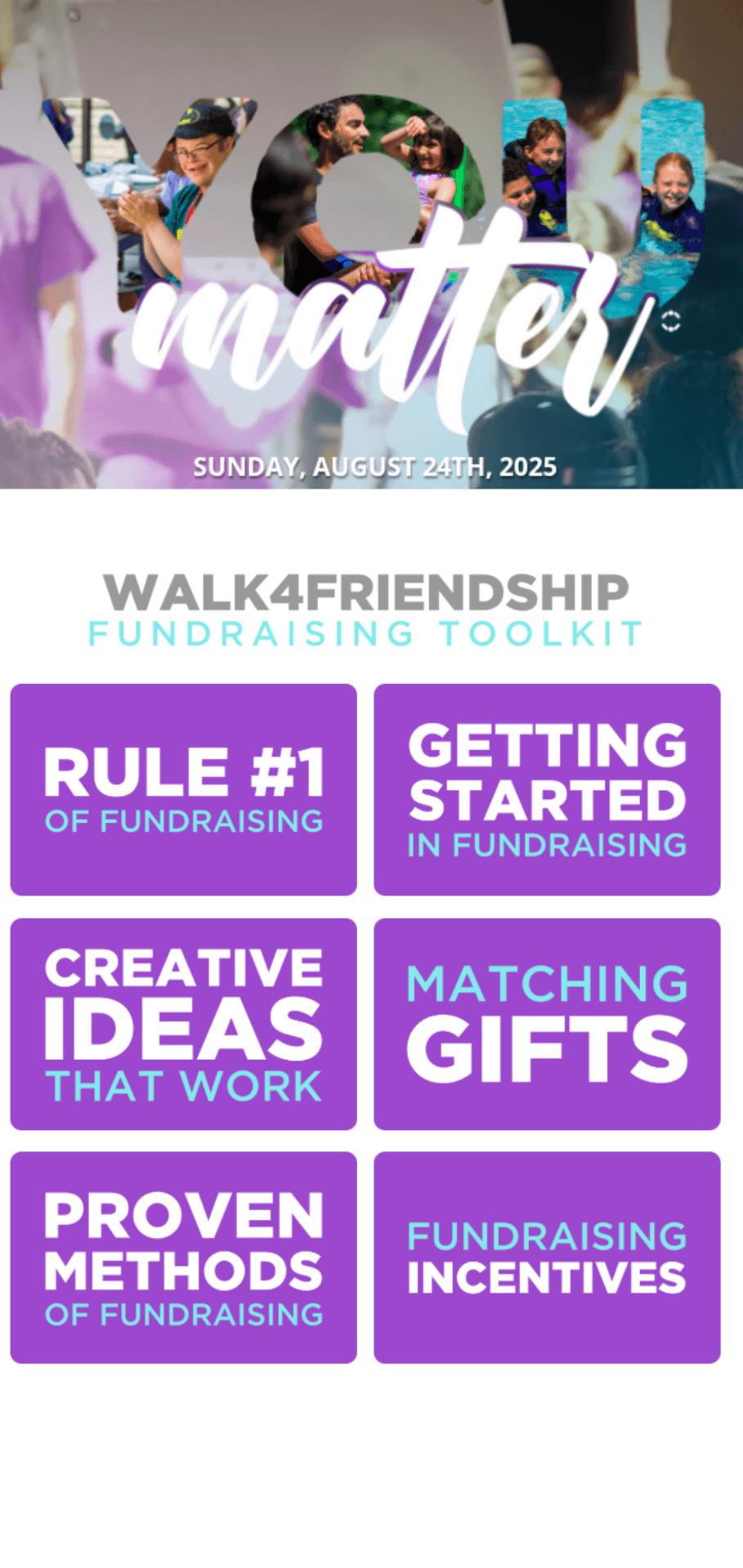
I developed a fundraising toolkit to help participants get started, find their footing, and learn how to ask their networks for support.
Explore the Walk4Friendship fundraising toolkit.
But I also knew that a toolkit alone wouldn't reach everyone. The platform needed to help fundraisers take action after they signed up.
Building better technology for fundraisers
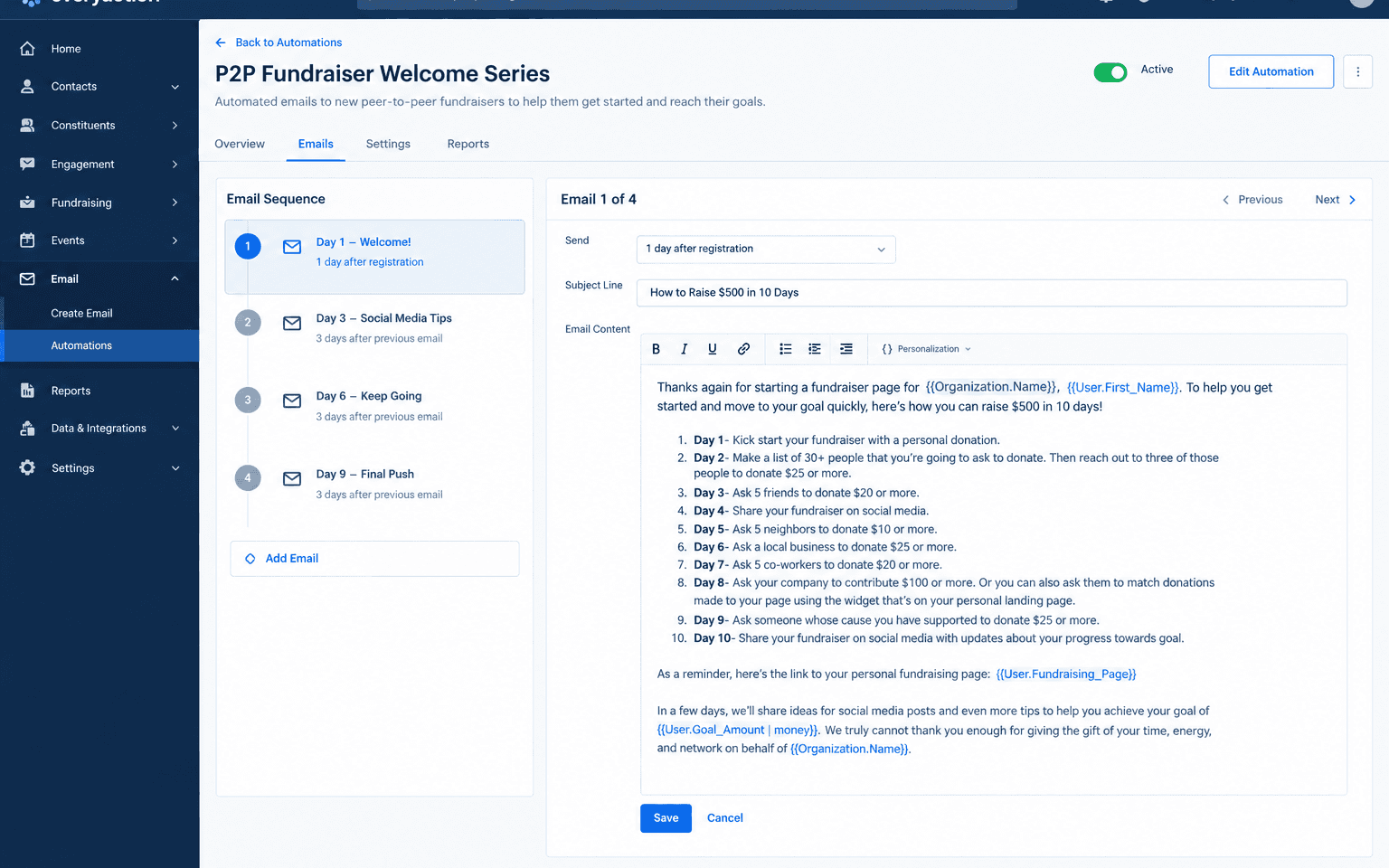
I pushed the platform powering the walkathon to develop an automated email series for new fundraisers. The idea was to send a sequence of helpful messages that would welcome participants, remind them of their commitment, and give them practical ways to reach their goals.
The first email led with a simple, actionable subject line:
How to Raise $500 in a Week
Inside were 10 concrete fundraising ideas, including asking five neighbors for $10 each. Instead of vague encouragement to spread the word, fundraisers got a manageable plan they could put into action right away.
The emails continued to coach participants with practical tactics and gentle nudges to keep them moving.
The Results
30% increase in total fundraising.
By combining practical resources with automated coaching, we made it easier for participants to follow through and turn their commitment into dollars raised.
The technology behind the fundraising
Better tools. Lower fees. More money for the mission.
Community fundraising doesn't happen in a vacuum. The technology powering a campaign can either make it easier for people to participate or create unnecessary barriers.
I bring a deep understanding of the nonprofit technology landscape to this work. Having worked across platforms, vendors, and digital fundraising ecosystems at GivingTuesday, I know how different tools compare, what features are available elsewhere, and where organizations may be paying more than they need to.
I regularly help nonprofits:
Renegotiate transaction fees with donation-processing vendors and make sure they're receiving the nonprofit rates available to them.
Secure better features and integrations by advocating directly with technology vendors for tools their nonprofit customers need.
Evaluate platforms and pricing with a clear understanding of the alternatives, helping organizations make informed decisions about the technology they use.
Vendors know I understand the market. I can explain how their platform compares with competitors and advise a nonprofit to move to another provider if that's what makes sense. That knowledge gives me leverage to push for better pricing, better functionality, and a better experience for fundraisers and donors.
The point is simple: nonprofits shouldn't have to accept unnecessary fees or subpar technology when those dollars and tools could be helping them raise more money
A tactic I recommended to nonprofits around the world
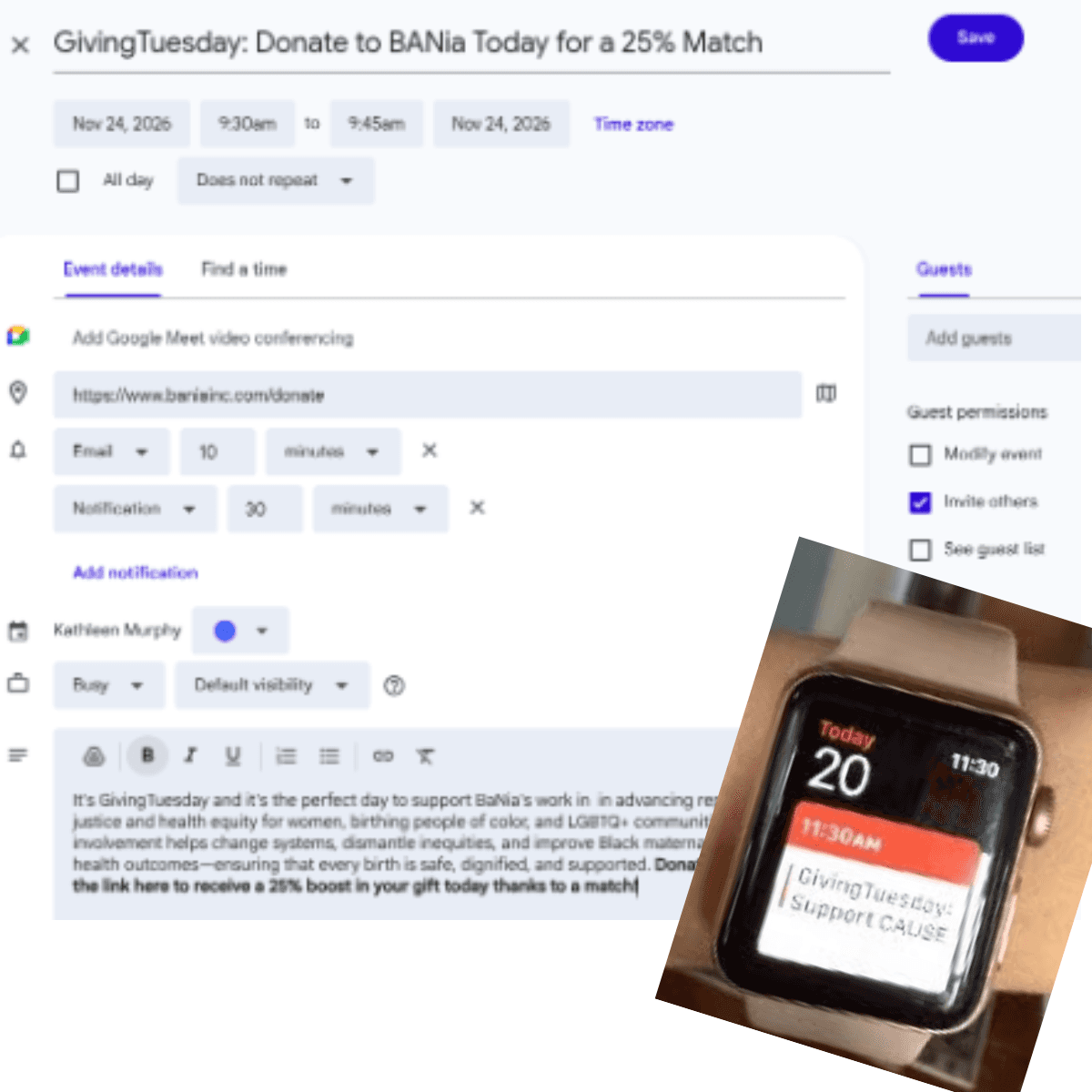
Put the date on the calendar.
For GivingTuesday and other time-bound fundraising campaigns, one of my most consistent recommendations was also one of the simplest: Get the day on your donors' and community members' calendars.
It's easy to spend all your energy on the big campaign launch and forget that people are busy. They may want to participate, but if they don't remember when the campaign is happening, the opportunity can pass them by.
Getting the date onto someone's calendar creates a small but meaningful commitment. It gives people a reason to remember, plan ahead, and show up when the moment arrives.
It's a simple tactic, but it reflects a broader principle of community fundraising: make it easy for people to participate, and give them every opportunity to follow through.
Why community multiplies
Your next donor might already know someone who loves your organization.
Peer-to-peer fundraising isn't just another way to collect donations. It's a way to grow your community beyond the people you already know.
When you invite supporters to fundraise, you're inviting them to bring their own networks into your work. Each new fundraiser can introduce your organization to people who might never have found you on their own.
Some will give once. Others may become long-term supporters. And some will eventually become fundraisers themselves.
That's the multiplier effect.
The best way to grow your donor base is to have your donors do it for you.
I help nonprofits build the strategies, tools, and technology that make that possible.
Let's grow something together.
Whether you're building a peer-to-peer program from scratch, trying to get more out of an existing fundraising platform, or looking for new ways to engage your community, I can help.